Operational proof
Examples are framed around plant conditions, not concept claims.
Measured results
Each case highlights speed, purity or operating impact.
Different system roles
Optical, compact and robotic deployments are all covered.

Shanghai facility upgrade
Manual sorting capacity was too low and labor stability was limiting output consistency.
AISORT high-speed optical line replaced manual sorting for mixed rigid plastic recovery.
Plant speed increased dramatically while maintaining a stable industrial recovery rhythm.
Tower sorter deployment
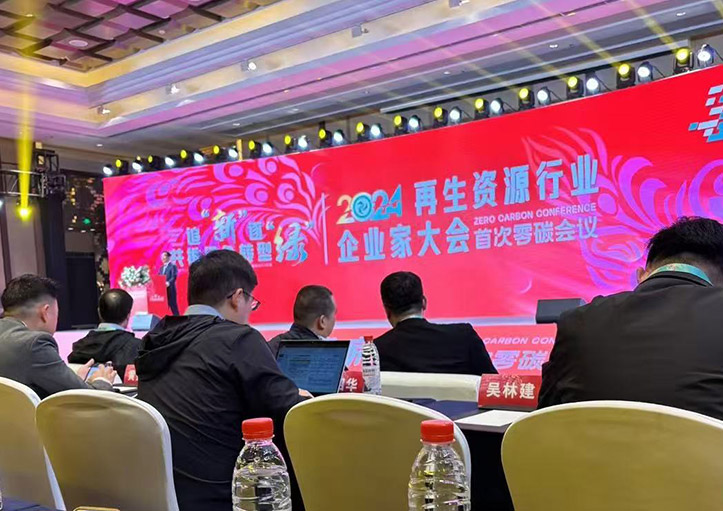
The plant had strong purity targets but very limited available floor area.
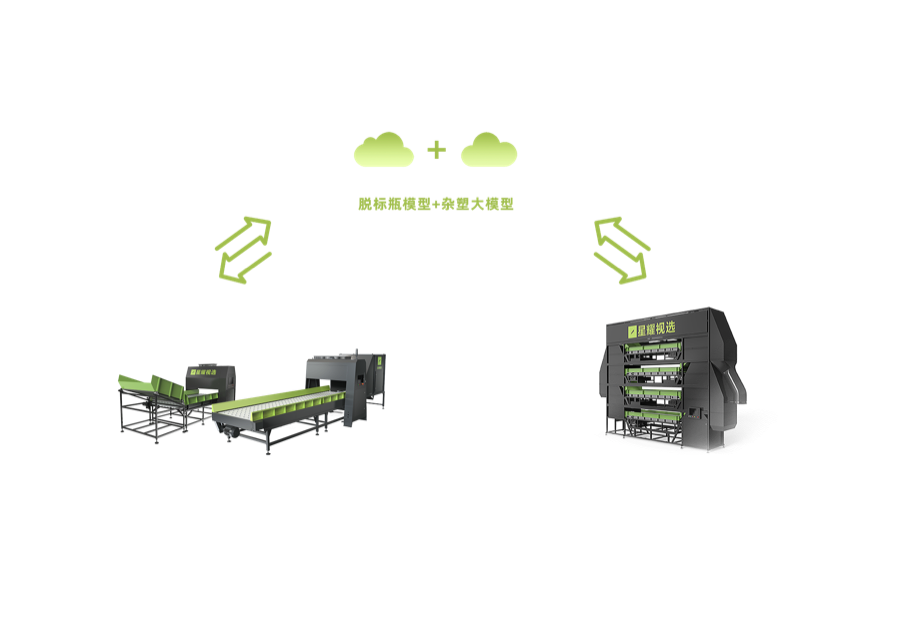
AISORT tower architecture concentrated multiple sorting outputs into a compact vertical module.
The line gained multi-output sorting capability without needing a large horizontal installation footprint.
European PET project
The facility needed more stable rigid PET output for downstream food-grade preparation.
AISORT optical sorting was configured to strengthen bottle purity and contamination control.
Rigid PET output reached a stable purification level suitable for higher-value downstream use.
Industrial robotic extraction
Bulky and irregular items were reducing line stability and damaging downstream efficiency.
The line improved bulky-item handling while reducing stress on downstream mechanical equipment.
How to read these project references
These answers help buyers interpret what a case page can and cannot prove before making a shortlist decision.
What should a buyer look for in an AISORT case?
Quick answer: look for a case that matches your material stream, line objective and constraint type rather than only the same machine family.
The strongest reference is usually the one that solved a similar plant problem, not simply one that used the same product name.
Can a case prove ROI for another plant?
Quick answer: not directly. A case can prove technical relevance, but ROI still depends on labour cost, material value, downtime and local constraints.
Case evidence is best used to confirm comparability, not to substitute for a plant-specific business model.
What makes a case relevant for retrofit decisions?
Quick answer: cases are most useful for retrofit when they show a comparable plant constraint, not only a comparable machine deployment.
Floor space, throughput gap, contamination pattern and downtime tolerance all matter when comparing retrofit references.