Bottle and rigid plastic recovery
For PET, HDPE, PP and mixed rigid packaging lines where speed and purity directly affect bale value.
Xingyao Robotics | AISORT
A broader AISORT portfolio for rigid plastics, flake purification, mixed waste recovery, compact deployment and robotic line automation.
Quick answer
Quick answer: start from your material stream, plant objective and throughput target, then shortlist the AISORT platform family that best matches the real separation problem.
Do not start by comparing machine names in isolation. In practice, platform choice should follow material type, line position, target purity, retrofit constraint and whether the job is mainly visual, spectral or robotic.
Application Focus
Use these shortcuts to quickly identify which AISORT platform group fits your application before you compare product-level specifications.
For PET, HDPE, PP and mixed rigid packaging lines where speed and purity directly affect bale value.
For washed rigid plastics, colored plastics and purity-sensitive output where deeper identification is required.
For pilot facilities, regional lines and compact installations where equipment density matters.
For difficult material streams where RGB, NIR and 3D data need to work together.
For bulky items, irregular objects and robotic extraction before downstream processing.
AISORT Core Portfolio
Industrial AI optical sorters engineered for rigid packaging, bottle recycling, film and mixed waste recovery where throughput and purity are equally critical.
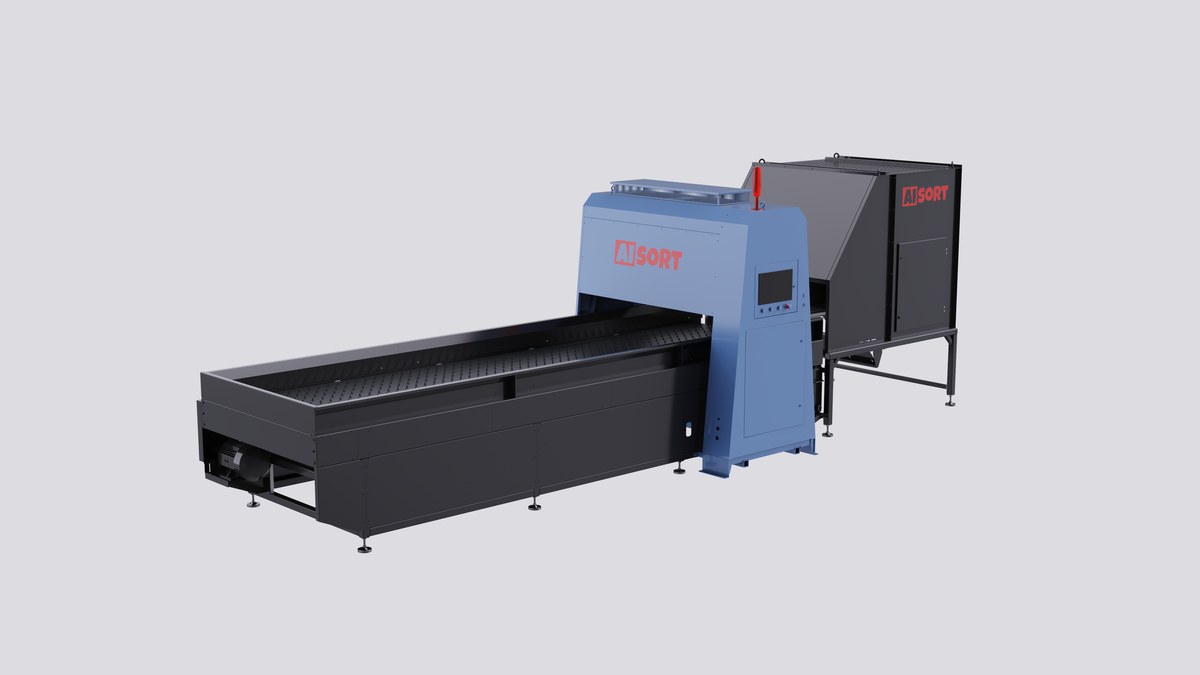
Fast AI-based optical sorting for rigid packaging, film and mixed polymer streams in large-volume recovery lines.
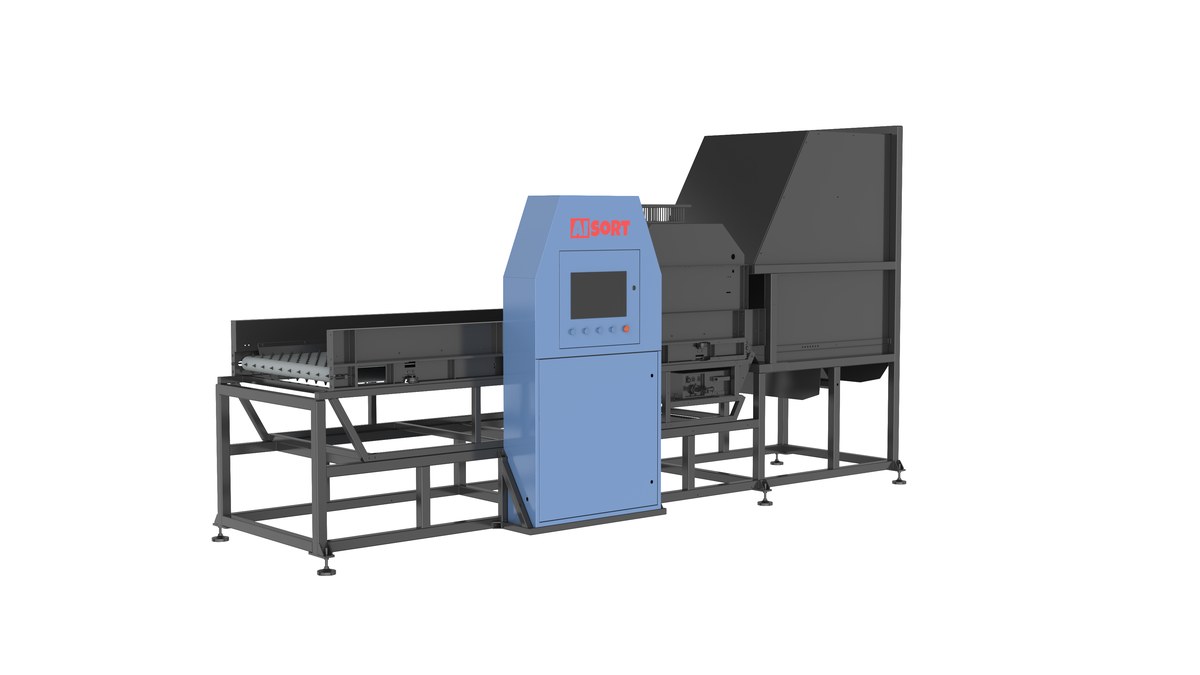
Compact AI sorter for pilot lines, material verification, regional recyclers and low-footprint facility upgrades.
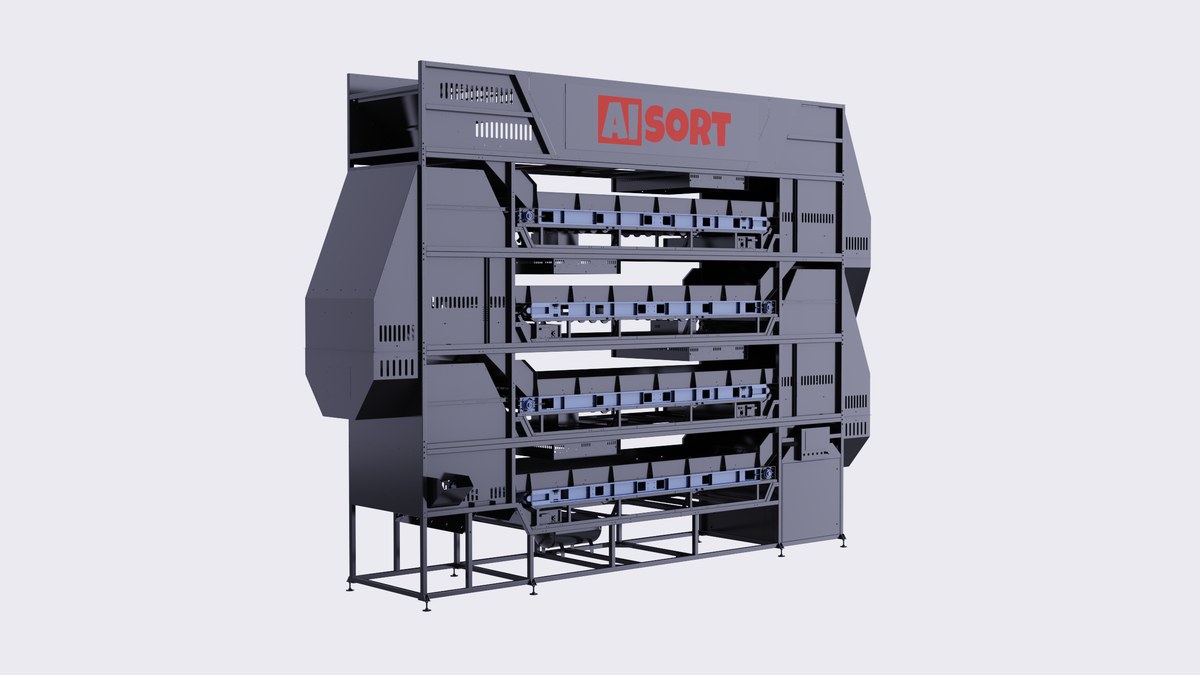
Vertical sorting architecture for compact high-purity recovery where plant footprint is limited but multiple outputs are required.
Advanced Identification
For streams where standard optical sorting is not enough, AISORT spectral and multi-sensor platforms provide deeper material discrimination and stronger recovery confidence.
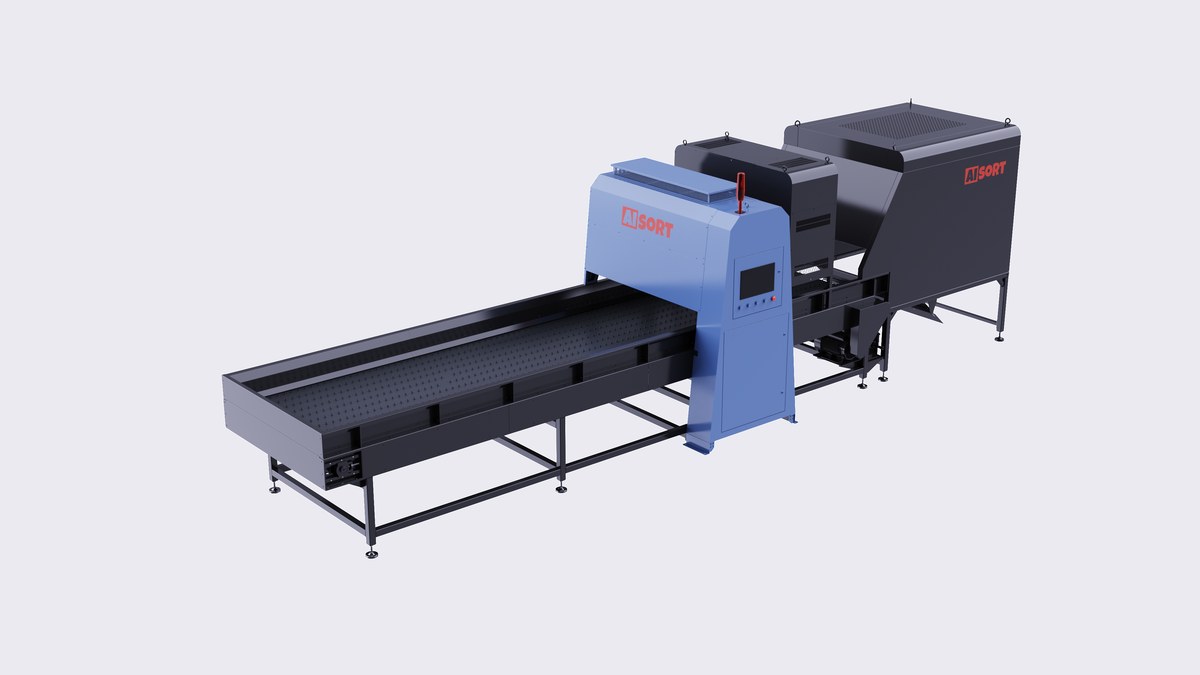
Spectral-grade sorting for colored plastics, washed rigid plastics, tray purification and contamination-sensitive recycled feedstocks.

RGB, NIR, 3D and auxiliary sensing combined into one platform for difficult mixed waste and complex packaging streams.
Industrial Line Support
Beyond optical sorting, Xingyao Robotics also supports line-level handling, pre-sorting and evaluation modules that make full recovery systems more stable and more profitable.
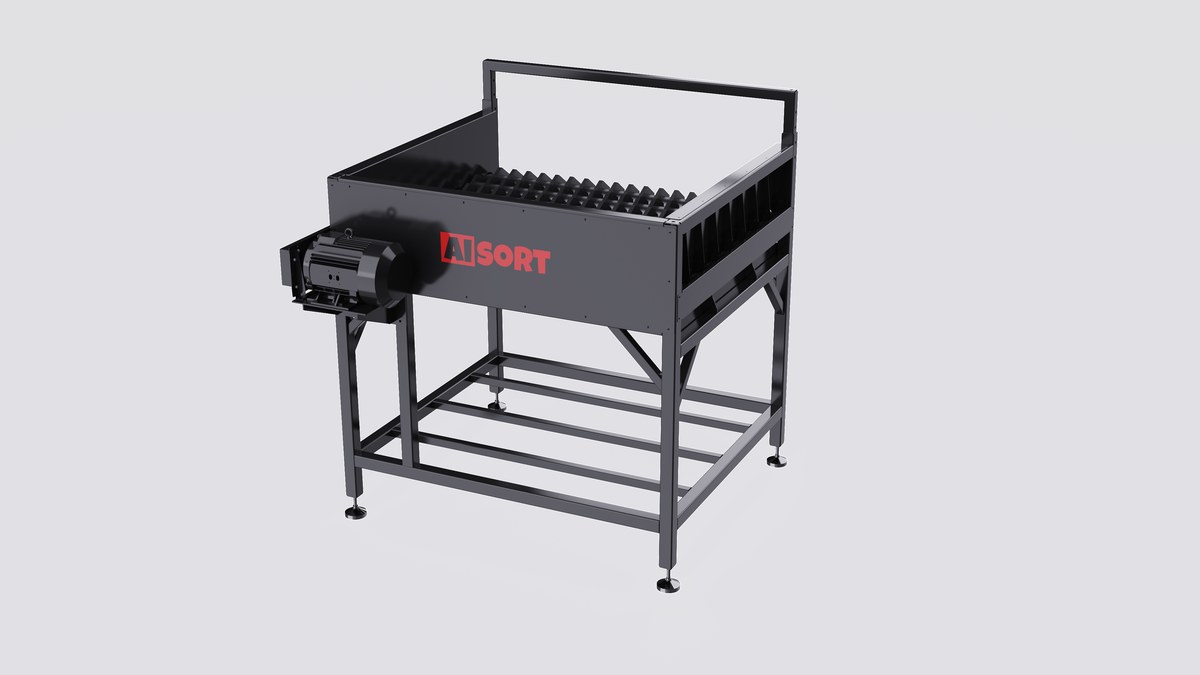
Pre-sorting module for size separation, stream opening and smoother downstream optical sorting performance.
Material testing and process verification platform for sample validation, line studies and project engineering assessment.
Use this comparison to quickly shortlist the right AISORT platform based on throughput, sensing depth and plant role.
| Platform | High-Speed Vision | Mini Vision | Tower System | Hyperspectral | Fusion Sorter | Gantry Robot |
|---|---|---|---|---|---|---|
| Throughput | 3-7 t/h | 0.5-3 t/h | 1-8 t/h | 1-6 t/h | 2-10 t/h | 2-6 picks/min |
| Core strength | High-speed packaging recovery | Compact pilot and regional use | Compact multi-stage sorting | Fine spectral purification | Complex mixed-stream detection | Bulky item extraction |
| Best fit | Rigid and film packaging | Pilot plants and QC lines | Urban and compact facilities | Flakes and colored plastics | Unstable mixed waste | Oversized and heavy recoverables |
| Sensor stack | AI vision | Compact AI vision | NIR + AI vision | Hyperspectral / SWIR | RGB + NIR + 3D | Vision-guided robotics |
| Deployment role | Primary production sorter | Entry, pilot or side module | Compact multi-output system | Fine sorting and purification | Advanced upgrade module | Robotic extraction cell |
| Details | View product | View product | View product | View product | View product | View product |
No product matches the current filter combination. Try another category or application path.
Use these short answers when narrowing the portfolio before asking for a machine-level quotation.
Quick answer: shortlist by material stream, throughput target, desired output and line constraints before comparing machine features.
The right starting point is the plant problem, not the catalogue category.
Quick answer: compare them when the separation question changes from speed to footprint to material ambiguity.
Each platform family solves a different industrial constraint, so comparisons should be decision-led rather than marketing-led.
Quick answer: the biggest mistake is choosing by headline specs without defining the actual stream and output requirement.
Machines should be selected against the real line condition and target product, not abstract performance claims.
Share your material stream, throughput target and output goal. We can map the right product combination and application path.
Talk to Sales Engineering