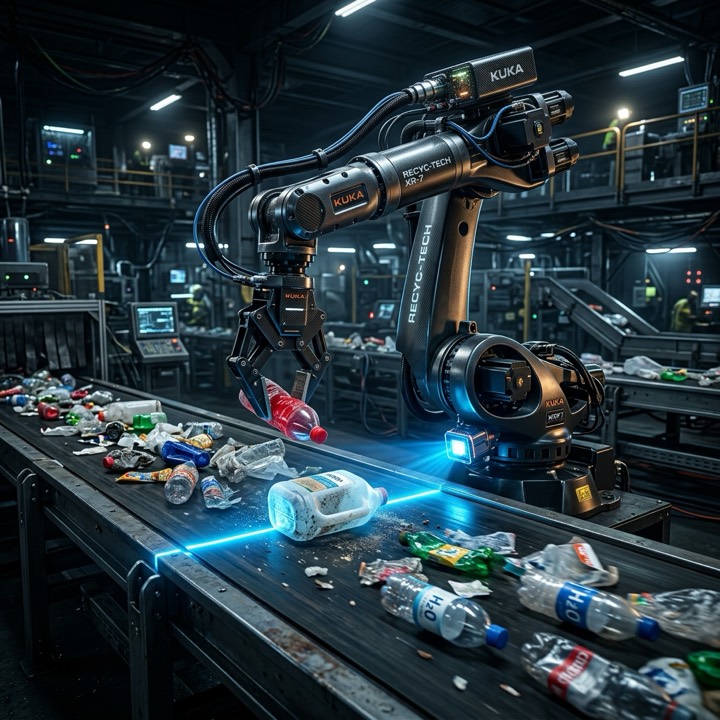
Mixed-stream sorting platform for difficult plastic fractions where value depends on cleaner output, better stream logic and staged system design.
Multi-polymer
Target stream
System-first
Decision logic
Higher
Recovered value
Quick answer
When this mixed plastic sorting system is the right fit
Quick answer: use this mixed plastic sorting system when a line must recover value from unstable, dirty or multi-polymer plastic streams that cannot be handled well by coarse mechanical separation alone.
This route is strongest when the main question is how to stabilise output from difficult mixed streams, not just how to add more nominal machine speed.
Target stream
Mixed plastics
Useful for multi-polymer fractions, dirty packaging waste and unstable feed composition.
Decision focus
System logic
Value depends on line sequence, sensor stack and contamination hierarchy.
Best fit
Difficult recovery lines
Particularly relevant where mixed feed quality changes during normal operations.
Main gain
Cleaner fractions
The real objective is better downstream saleability and process stability, not only sorting activity.
Best-fit scenarios
Mixed packaging recovery
Useful where rigid and flexible packaging fractions arrive together with unstable contamination patterns.
Dirty post-consumer streams
Relevant when real-world feed does not stay clean enough for simple mechanical separation to protect downstream value.
Pre-concentration before fine sorting
Strong fit when the line needs to isolate the right fractions before deeper purification stages.
Value-upgrade retrofits
Useful when existing plants need better mixed-stream recovery without full line replacement.
How to decide if this system fits your plant
1. Identify the dominant contamination problem
Mixed plastic projects fail when the plant treats every contamination issue as the same. The line should be designed around the specific materials or contaminants that destroy output value.
2. Separate the questions of volume and purity
A line can move a lot of mixed material without creating strong commercial value. This system is justified when cleaner fractions create the economic upside.
3. Validate sensor need against stream difficulty
If the stream is highly variable or visually ambiguous, the right answer may require more than a basic vision-only platform.
4. Check downstream outlet requirements
Before finalising the system, define what each recovered fraction must meet for resale or further processing.
When not to use this as a generic mixed-stream answer
This system should not be selected only because the feed is labelled “mixed plastics”. If the downstream value target is unclear, or if the stream could be handled more economically by simpler pre-sorting, the project should be reframed before equipment selection.
Do not choose a complex mixed-stream solution before defining the target fractions.
Do not rely on one machine to solve upstream presentation failures.
Do not assume mixed plastic recovery economics are the same across all polymer combinations.
Overview
The AISORT Mixed Plastic Sorting System is designed for dirty, variable and multi-polymer streams where multiple material types must be recognised and separated within the same recovery route. It is built for operators trying to convert unstable mixed plastic fractions into cleaner, more marketable output.
Key Advantages
Multi-polymer recovery logic
Supports streams that include multiple plastic families rather than one stable mono-material fraction.
AI-driven identification
Uses model-based classification to improve separation in more difficult mixed streams.
Industrial reliability
Built for continuous-duty recycling conditions where feed quality shifts during normal production.
Upgradeable system path
Can be positioned as part of a staged line-improvement route instead of one fixed end-state machine purchase.
Specifications
Recognition Method
AI-powered mixed-stream material identification
Typical Feedstock
Dirty mixed plastics and variable packaging fractions
Primary Objective
Higher-value fraction recovery from unstable streams
Deployment Role
Mixed-stream concentration and purification support
Integration Style
Standalone module or staged retrofit deployment
Power Supply
380V / 50Hz / 3-phase
Common buyer questions
These answers are written for operators comparing mixed-stream recovery routes, not only single-machine specs.
What is the biggest challenge in mixed plastic recovery?
Quick answer: the hardest part is not just detecting material, but creating a line sequence that isolates the fractions worth refining further.
Mixed streams often fail commercially because the system is designed for activity instead of final saleable output.
Can this be used with simpler mechanical equipment upstream?
Quick answer: yes, and in many plants that is the best route. Mechanical pre-separation and AI sorting often perform best together.
The correct question is not “AI or mechanical”, but how each stage should contribute to the final recovery objective.
Does mixed plastic recovery always need multisensor technology?
Quick answer: not always. The need depends on how visually ambiguous the stream is and what downstream purity level is required.
Some mixed streams can be improved with strong visual logic. Others need a broader sensor stack to make the economics work.
When should a plant compare this with a full plastic value solution?
Quick answer: compare them when the question shifts from one stream to the whole line and its downstream buyer logic.
If the plant is trying to redesign commercial output instead of one isolated stream, the broader solution page is the better decision starting point.
Suitable materials and output targets
Best suited to unstable mixed plastic fractions where line value depends on isolating the right downstream fractions rather than only moving bulk volume.
Mixed rigid packaging
For lines recovering PET, HDPE, PP and other rigid fractions from unstable post-consumer streams.
Mixed film and lightweight packaging
Useful where light fractions and contamination dilute downstream material value.
Dirty post-consumer plastics
For streams where contamination structure matters as much as polymer count.
Retrofit-driven recovery upgrades
Strong fit for plants improving commercial output without full line replacement.
Recommended solution paths
These solution routes are most relevant when mixed plastic recovery economics depend on the whole line rather than one sorting stage.
Plastic Waste Value Optimization
For operators upgrading mixed plastic lines around higher-value downstream fractions.
Useful where mixed packaging and polymer streams are too unstable for simple separation logic
Supports value recovery instead of only rough bulk sorting
Strong fit for staged retrofit upgrades
Useful when line economics depend on cleaner downstream fractions
Need a mixed-stream recommendation?
Share feed composition, throughput and target fractions. AISORT can map whether this system, a multisensor stack or a broader solution route is the better fit.